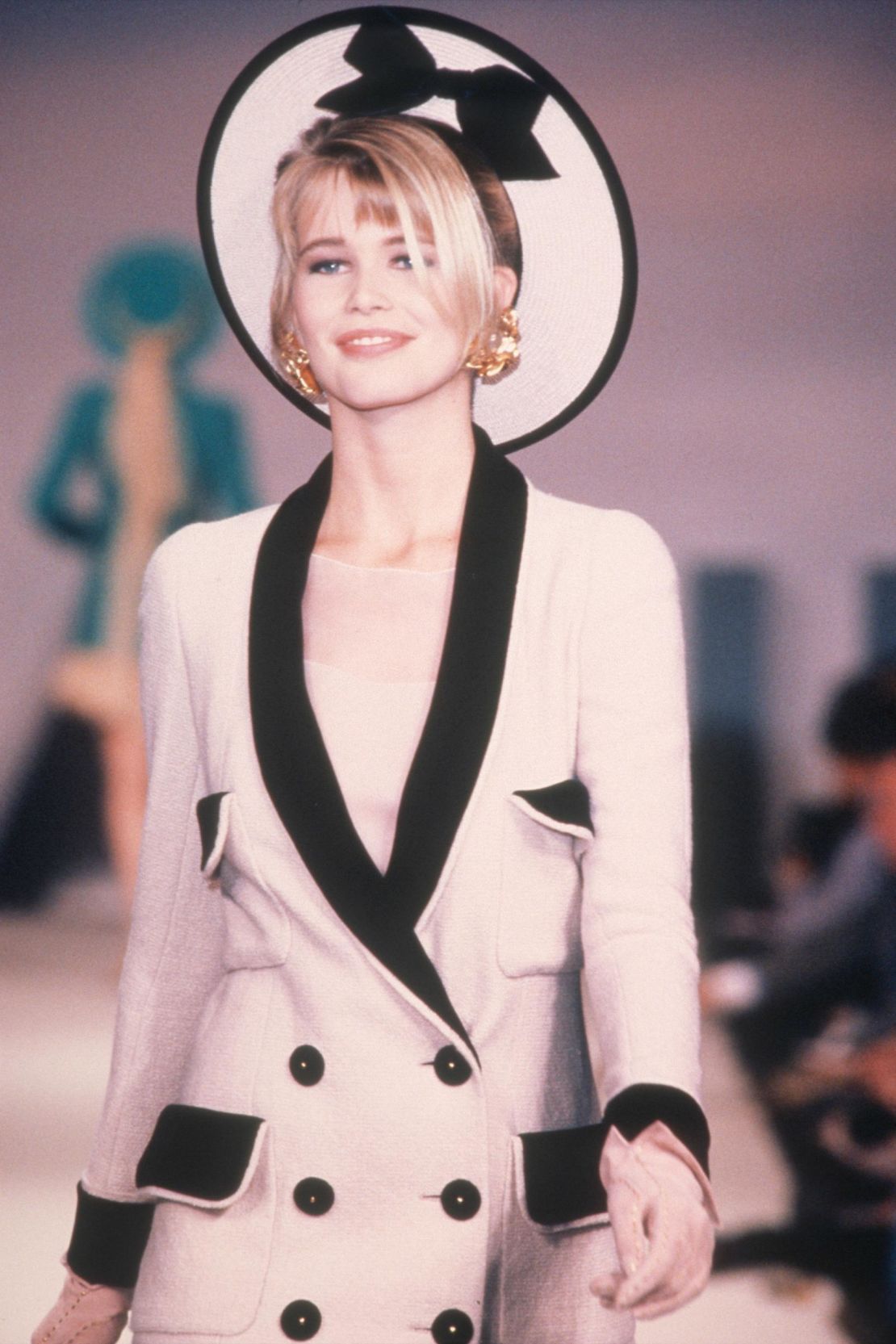
In a time characterized by endless scrolling and short attention spans, one remarkable tendency among Generation Z is their steady, direct eye gaze. Both on social platforms and face-to-face, it has been observed that Gen Z is not hesitant to maintain eye contact. Although some might find it intense or uncomfortable, this generational habit signifies profound transformations in cultural principles, communication standards, and the digital environment that influenced their development.
Este cambio generacional trasciende la simple torpeza social o la autoconciencia. Refleja cómo la Generación Z está redefiniendo las normas de interacción de manera visual, emocional y social en un mundo sumamente interconectado.
Nurtured in an environment dominated by smartphones and constantly under the gaze of cameras since childhood, Gen Z (generally considered to include those born from 1997 to 2012) was raised in a world where observation is perpetual. In contrast to older generations who gradually adjusted to online self-representation, Gen Z has been managing constructed identities from a young age. This experience has probably led to their familiarity—or at the very least, their skilled comfort—with making eye contact, particularly when mediated by screens.
On networks such as TikTok, lingering looks directed at the camera have almost turned into a form of performance, representing openness, genuineness, or a sense of humor. It’s more than about visibility; it’s about managing perception. The gaze of Gen Z transforms into an instrument, a declaration of presence, and frequently, a creative decision.
Where millennials might have perfected the “candid” look-away in selfies or leaned into irony, Gen Z often favors directness. Their communication style—whether through memes, short-form video, or real-time reaction content—leans into transparency. Prolonged staring, particularly in front-facing camera videos, isn’t accidental. It’s part of a larger aesthetic where silence, awkwardness, or even discomfort are recontextualized as authenticity.
Este enfoque visual directo también se alinea con las características generacionales más amplias. La Generación Z generalmente aprecia la transparencia, la promoción de la salud mental y el cuestionamiento de las normas sociales. En ese contexto, la mirada fija no es solo un estilo, sino una confrontación con el espectador, invitándolo a enfrentarse a algo incómodo o auténtico, incluso en un clip de 15 segundos.
While the stare may appear confident or even confrontational, some psychologists suggest it could also be a coping mechanism. Many members of Gen Z report high levels of anxiety, and their comfort with eye contact on camera may be a paradoxical result of digital detachment. Speaking to a lens isn’t the same as speaking face-to-face. This virtual filter might make it easier to hold a gaze that would be challenging in person.
Some propose that this conduct is influenced by being raised during a time of constant monitoring—by friends, organizations, and unknown people on the internet. The reaction? Confront the scrutiny directly. In this context, Gen Z’s tendency to stare might be interpreted as a way to regain control. Instead of evading others’ glances, they manage it.
Beauty decisions and cultural impact
Gen Z’s behavior doesn’t exist in a vacuum. Popular creators, influencers, and even fashion photographers have reinforced the norm of long, unbroken eye contact. Slow zooms on expressionless faces, intimate lighting, and raw angles—all amplify the emotional impact of a simple stare. In short, it’s become a visual shorthand for vulnerability or irony.
This cultural style also questions what older generations deemed visually appealing or courteous. Whereas Baby Boomers and Gen X emphasized appearance and manners, Gen Z prefers authenticity and often disrupts traditional boundaries. Their way of expressing themselves focuses less on flawlessness and more on authenticity—regardless if that authenticity comes across as awkward, heartfelt, or unemotional.
The impact on interpersonal communication
Offline, this behavior is altering the perception of social interactions. Some teachers, employers, and older individuals are taken aback when someone from Gen Z maintains intense eye contact during a discussion, or conversely, when they seem uninterested in face-to-face interactions but are very expressive on the internet. This divide between digital and real-life identities frequently blurs the distinction between genuine expression and acting.
Nevertheless, it would be simplistic to categorize the conduct as impolite or self-absorbed. In various aspects, it mirrors a generation’s adjustment to an ever-observant world. What might be seen as gazing could essentially be a visual expression of Gen Z’s wish to be perceived in their own context.
Breaking the fourth wall—everywhere
The cultural sensation of Gen Z’s unwavering stare aligns with their tendency to breach the fourth wall. Across various platforms, from TikTok monologues to business video conferences, a common pattern emerges: speak straight to the audience, maintain eye contact, and ensure the interaction feels intimate. This approach fosters a close bond, whether the communicator is an unknown individual or an acquaintance.
Within a crowded digital landscape, establishing closeness serves as a crucial distinguishing factor. Companies and media producers now deliberately emulate this approach, utilizing direct eye engagement to build confidence or form one-sided connections with viewers. To a great extent, Gen Z is spearheading the transformation of the concept of “genuine” in the realm of visual communication.
A modern form of social communication
In the end, the manner in which Gen Z directs their attention demonstrates a wider generational mindset. It’s a straightforward communication style, influenced by technological advancements and cultural changes. In a world filled with information, maintaining eye contact—whether online or in person—serves as a method to break through the clutter, even silently.
The look can be unwavering, humorous, or inquisitive, yet it draws attention and fosters conversation. It goes beyond being a simple novelty or internet trend—it’s an expression about existence, self-perception, and the wish to engage, even amidst the disjointed realm of online communication.
As older generations learn to interpret these new visual cues, the long, quiet stare of Gen Z may well prove to be not a challenge, but an invitation: to slow down, look back, and understand each other through a new lens.