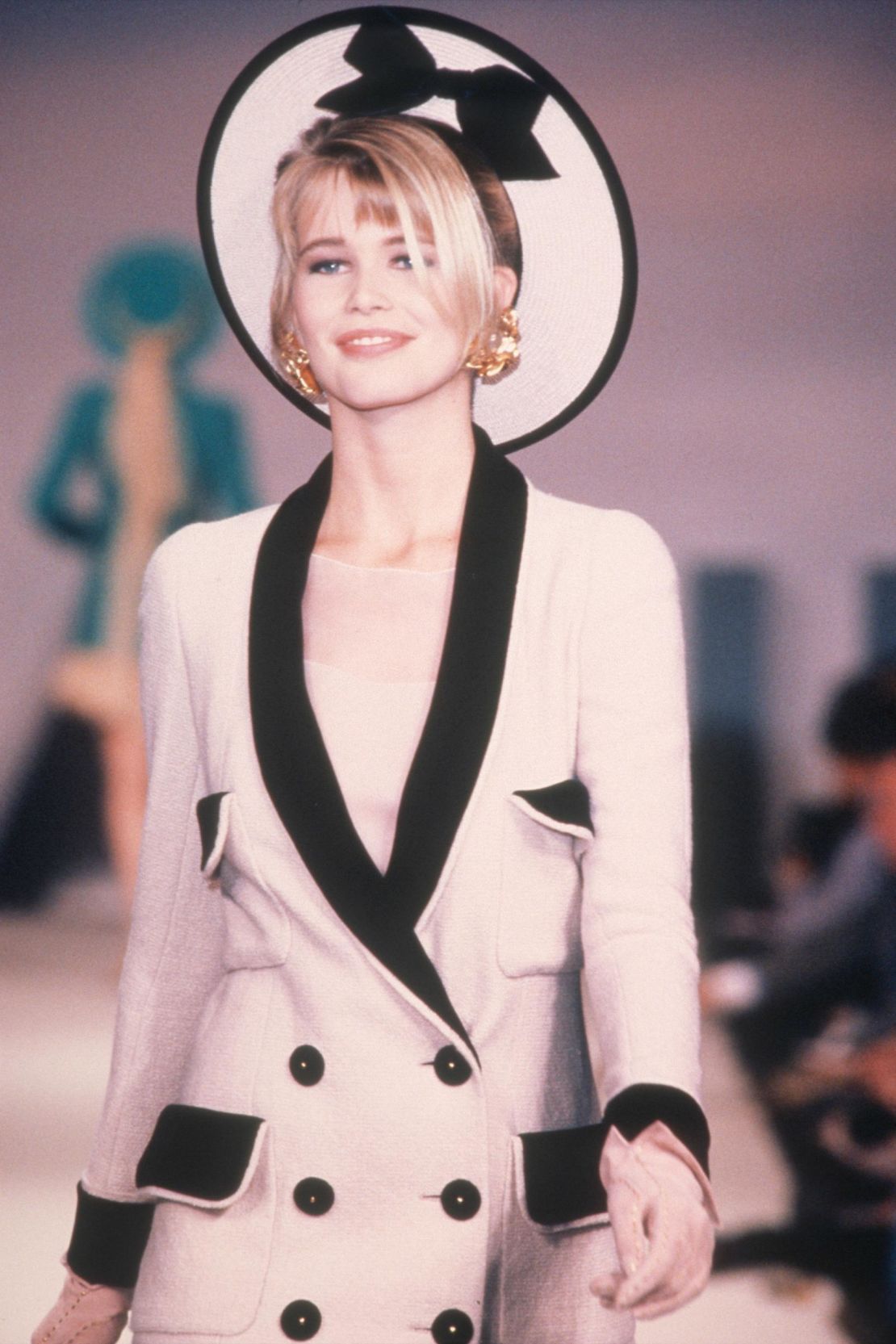
Comprehending ‘Vintage’ within the Realm of Fashion
The term ‘vintage’ often conjures images of classic and timeless styles, a nod to fashion periods past. Understanding what ‘vintage’ means in the context of fashion requires an exploration into the history, cultural significance, and contemporary reinterpretations that define this enduring term.
Historical Context of Vintage Fashion
In fashion, ‘vintage’ generally refers to pieces that are at least 20 years old. This distinguishes them from ‘antique’ items, which are typically considered to be over 100 years old. The 1990s, 1980s, 1970s, and even earlier decades are frequent sources for vintage garments. These clothes are emblematic of the styles and trends prevalent during specific eras. For instance, the 1920s are celebrated for flapper dresses, characterized by their loose fit and intricate beadwork, while the 1970s brought wide leg trousers and bohemian prints to the forefront.
Cultural Significance of Vintage Fashion
In recent years, vintage fashion has regained popularity for several reasons. Firstly, there’s the charm and uniqueness of owning and wearing a piece that tells a story. Each vintage item has a history and an individuality that mass-produced clothing simply cannot offer. Moreover, vintage fashion is often associated with sustainability. The growing awareness of fast fashion’s environmental impact has led many to embrace vintage as an eco-friendly alternative, reducing the demand for new clothing production and decreasing textile waste.
Famous individuals and social media stars have greatly contributed to this revival. Notable personalities such as Kate Moss and Dita Von Teese have been spotted flaunting classic fashion, which encourages a broad interest and integration of old-fashioned styles into contemporary closets.
Modern Reimaginings and Design Motivation
Designers often draw inspiration from vintage trends to create modern collections that echo past aesthetics while catering to contemporary tastes. It’s not uncommon to see runways filled with reinterpretations of 1950s silhouettes or 1980s bold color palettes. This approach allows designers to marry the nostalgia of vintage with the innovation and technological advancements of the present day.
Retailers take advantage of this movement by assembling collections that mimic classic styles using contemporary materials and manufacturing methods. These updated items aren’t true vintage but provide consumers an opportunity to appreciate vintage looks without the difficulties linked to preserving older clothing.
The Difficulty of Describing ‘Vintage’ in Fashion
The concept of ‘vintage’ holds different meanings and is open to personal interpretation, influenced by cultural contexts and personal views. To some individuals, genuine vintage pieces require historical origin or designer tags, whereas others consider any pre-owned clothing item that embodies the spirit of a bygone era as vintage.
This ambiguity extends into the marketplace, where buyers and sellers must navigate terms like ‘retro,’ ‘vintage-inspired,’ and ‘reproduction.’ Therefore, gaining a firm understanding of what one seeks in vintage fashion is crucial for both collectors and casual enthusiasts.
Contemplating the Influence of Vintage in Current Fashion
The charm of retro clothing resides in its capacity to surpass temporal boundaries, providing glimpses into the fashion stories of previous eras. As enthusiasm continues to rise, it prompts us to reflect on how we interpret style, acknowledge sustainability, and value the artistry of previous generations. The admiration for retro fashion highlights the cyclical aspect of styles, motivating a distinctive mix of backward-looking admiration and forward-driven creativity. Therefore, retro fashion stays a crucial component of the fashion scene, connecting the past with the present and inspiring what is to come.