Before Phoebe Philo’s arrival, Celine was recognized largely for its understated French elegance and quality leather goods but lacked a distinctive identity in the crowded luxury market. When Philo took the creative helm in 2008, she envisioned not just a change in collections but a resurrection of the brand’s very ethos. Drawing from her previous experience at Chloé and her sharp understanding of contemporary women’s needs, Philo propelled Celine into a powerhouse of minimalism, sophistication, and modern luxury.
Defining an Era: The Cult of Minimalism
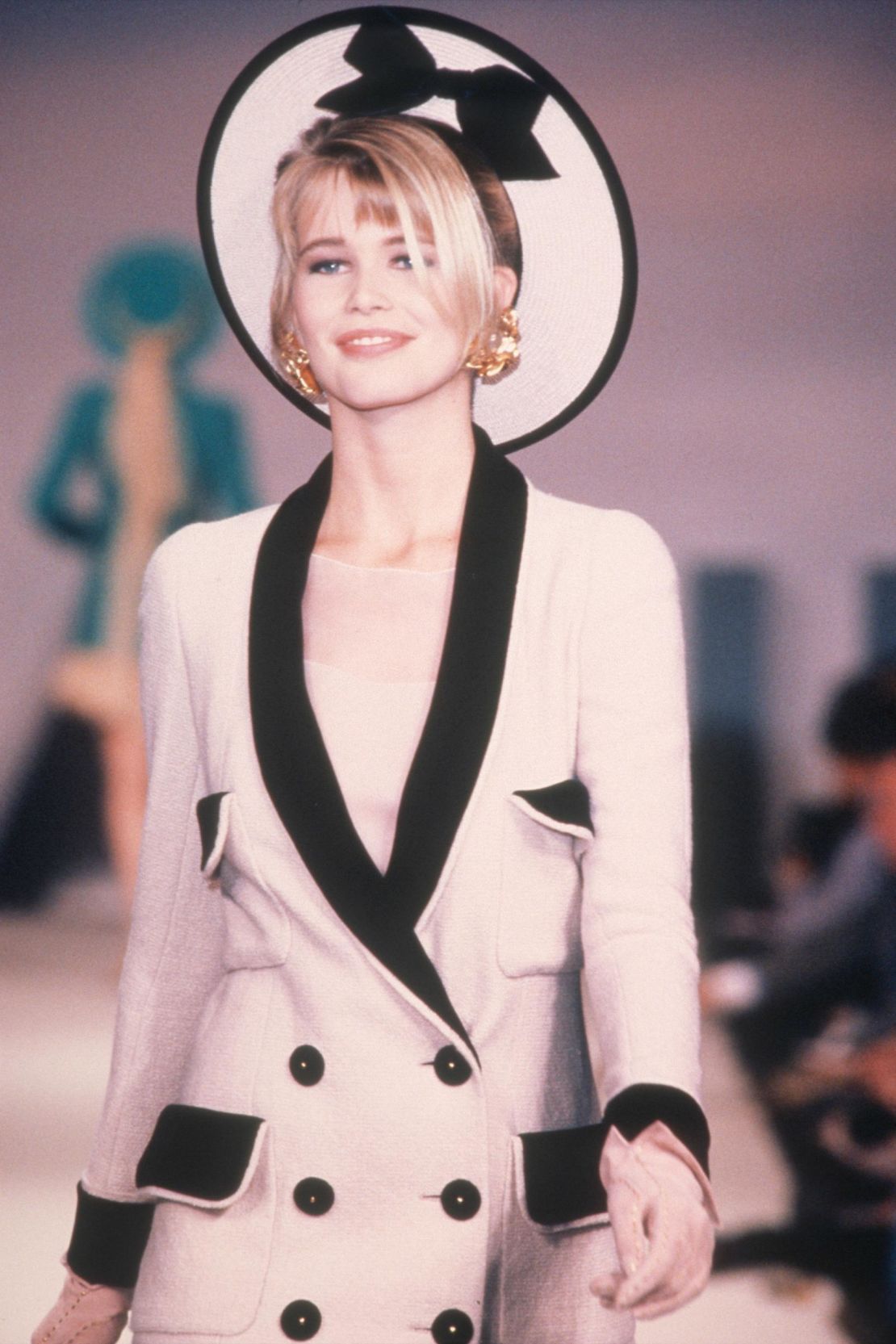
Phoebe Philo’s Celine era became synonymous with stripped-back sophistication. Rejecting the overtly ornamental aesthetics popular at the time, she distilled her collections to focus on purity of line, innovative tailoring, and quality fabrics. One prominent example is the Spring/Summer 2010 collection, which featured sharp, sculpted silhouettes, crisp white shirts, and transformative tailoring that redefined office wear for women.
Her vision resonated with a growing demographic of women—professionals, creatives, and tastemakers—who demanded both functionality and elegance. By championing a pared-down approach, Philo articulated a new vocabulary for luxury, moving away from conspicuous logos and over-decoration in favor of subtlety and substance. This direction not only distinguished Celine within LVMH’s brand portfolio but also set the pace for competing luxury fashion houses.
Famous Items and Fresh Necessities
The strategic direction for products under Philo’s leadership was as impactful as her work on the runway. She launched handbags that soon turned into status symbols, like the Luggage Tote, Trapeze, and the Trio crossbody. These creations showcased Philo’s focus on functionality, combined with a sculptural, nearly architectural appearance. The Luggage Tote, recognized by its “face-like” design and robust shape, was often seen with celebrities, influencers, and everyday women. Sales numbers exhibited its success: in just one year, Celine’s leather goods sales surged, and waiting lists for major items became common.
Footwear underwent a contemporary update, featuring sock boots and skate shoes that predicted fashion trends well before they became widely popular. The reimagining of traditional wardrobe essentials—such as large coats, sharp shirts, and loose-fitting trousers—established the style for a whole decade of high-end fashion.
Shaping Fashion Culture
Philo’s time in charge was characterized by fostering a heartfelt bond between women and their clothing. Her fashion lines often incorporated elements from everyday life and were meant for practical use, not just for show. The renowned advertising series, captured by Juergen Teller, avoided excessively-staged or overly-perfect visuals, opting instead for genuine, spontaneous realism. This distinctive style resonated with the sincerity that was synonymous with contemporary luxury in that era.
Her impact reached further than just fashion and accessories, turning into a mindset about self-perception for women: strong, knowledgeable, and disinterested in fleeting trends. The term “Philo woman” became a part of fashion vocabulary, conjuring an image of understated self-assurance, autonomy, and artistic judgment.
Business Performance and Industry Response
The commercial impact of Philo’s creative leadership was profound. Celine’s revenues reportedly grew threefold, and boutiques globally experienced increased foot traffic from a new demographic attracted by Philo’s vision. Industry observers noted that during her tenure, Celine’s profile among luxury consumers rose dramatically, placing it alongside legacy names such as Chanel and Hermès in terms of desirability.
Rivals started to replicate Philo’s pared-down style—a clear indication of the trend she initiated. Designers such as Daniel Lee at Bottega Veneta and Demna Gvasalia at Balenciaga began to adopt elements of her philosophy, illustrating her lasting impact. The trend also seeped into fast fashion, where sleek designs and neutral tones became widespread throughout the retail industry.
Enduring Impact and Aftereffects Following Exit
When Phoebe Philo departed Celine in 2017, there was palpable apprehension within both the fashion industry and among consumers. Her absence was seen not just as a change in creative direction, but as the end of an era that had defined contemporary women’s fashion. What followed were signs of “Philo withdrawal”—online communities like “Old Céline” emerged, celebrating her collections and even driving up resale prices for Philo-era pieces.
The demand for her comeback has seldom waned, resulting in significant eagerness for her future artistic endeavors. Many former members of her team during her time at Celine have continued to make an impact throughout the industry, infusing elements of her work style, minimalist philosophy, and dedication to authenticity into other companies.
Phoebe Philo’s era at Celine went beyond enhancing a high-end brand; it sparked a generational change in women’s fashion perceptions and self-view. Her focus on importance, excellence, and practicality reshaped fashion’s goals, urging both buyers and industry figures to prioritize depth as much as aesthetics. Currently, the discourse about “quiet luxury” and thoughtful minimalism endures—a proof of the framework she crafted while at Celine. Through her contributions, Celine not only made its presence known but, under Philo’s guidance, set a new benchmark for contemporary attire.