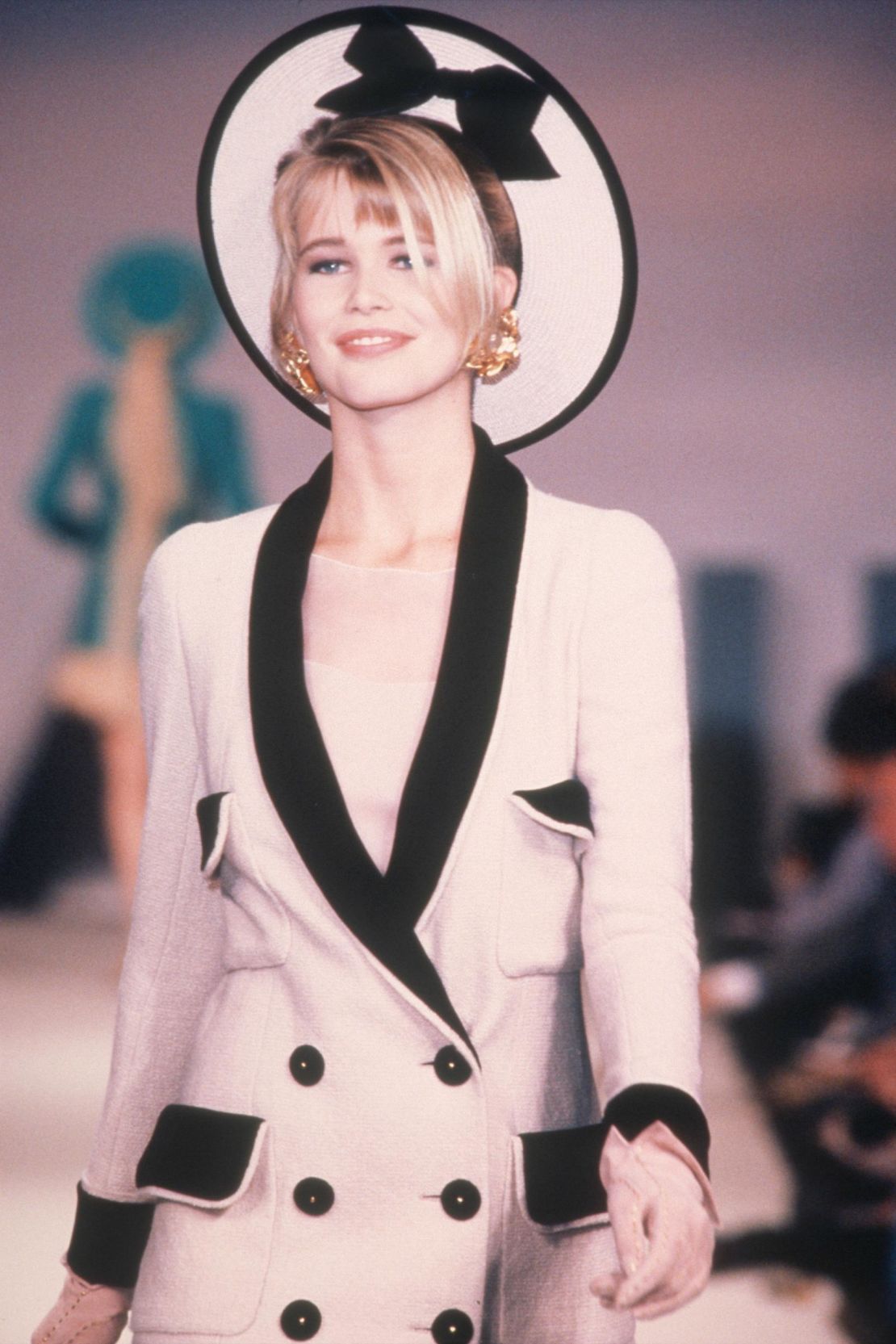
How to Become a Fashion Designer?
Embarking on the journey to become a fashion designer is an exciting adventure marked by creativity, ambition, and a hint of glamour. Fashion transcends mere clothing; it’s a powerful medium of self-expression and a continuously evolving form of art. Aspiring designers who wish to make a significant impact in this dynamic field need to navigate a path of hard work, innovation, and ongoing education. Here is a comprehensive guide on how to turn your fashion design aspirations into reality.
Grasp the Fundamentals of Clothing Design
Before leaping into the realm of fashion design, it’s essential to thoroughly understand the fundamentals. Begin by gaining knowledge about color theory, textures, and patterns. Familiarize yourself with various fabrics and their characteristics, as this understanding will aid you in choosing appropriate materials for your upcoming designs.
Developing an understanding of the fashion history and studying iconic designers can provide valuable insights. Analyzing different fashion eras will help you appreciate how trends evolve and recycle over time, which is vital when drawing inspiration for your designs.
Get the Necessary Education and Training
Although holding a formal degree is not essential for a career in fashion, numerous accomplished designers have gained advantages from formal education. Obtaining a degree in fashion design or a similar area from a well-regarded school can offer detailed training in design methods and concepts. Curriculums frequently include fundamental subjects like drawing, computer-assisted design (CAD), draping, sewing, and creating patterns.
Internships and apprenticeships play a pivotal role in gaining practical experience. Working under established designers or in fashion houses allows you to apply classroom knowledge in real-world settings, cultivate a professional network, and build a strong portfolio.
Create a Robust Portfolio
Your collection of work serves as your introduction within the fashion world. Make sure it adeptly highlights your innovative abilities, technical expertise, and unique aesthetic. Opt for excellence over volume by presenting your finest design pieces, guaranteeing that each example truly reflects your talents.
Consider including sketches, mood boards, patterns, and photographs of completed garments. A digital portfolio can be particularly advantageous, as it allows for easy sharing with potential employers or collaborators.
Create a Unique Style
In an industry brimming with talent, having a unique and recognizable style is essential. To develop your personal aesthetic, explore various cultural influences, artistic movements, and contemporary trends. Experiment with colors, silhouettes, and fabric combinations until you find a signature look that sets you apart.
Consider what drives your personal inspiration—whether it’s the natural world, the design of buildings, or musical compositions—and incorporate these aspects into your creative work. Having a unique perspective not only captures interest but also aids in carving out a niche in the industry.
Remain Updated and Motivated
Fashion is a dynamic field subject to constant change. Staying informed about the latest trends, technological advancements, and market demands is critical for success. Regularly attend fashion shows, exhibitions, and trade fairs to observe what leading designers are showcasing.
Follow trend forecasting agencies and subscribe to fashion publications to gauge consumer preferences. Platforms like Pinterest, Instagram, and fashion blogs offer a rich tapestry of inspiration and information from around the globe.
Create a Strong Brand and Business Acumen
Whether you aim to work for a major fashion house or launch your own label, understanding business fundamentals is key. Learn about brand building, marketing strategies, financial management, and sales techniques. Developing a strong brand identity will help distinguish your designs in a competitive market.
Utilize the potential of online platforms and internet marketing to connect with a worldwide audience. An effective digital presence can enhance interaction and build a devoted clientele.
Pursue Networking Opportunities
Networking is crucial for establishing meaningful connections within the fashion sector. Attend industry gatherings, become part of fashion organizations, and interact with colleagues and advisers. Forming ties with influencers, purchasers, and other designers can pave the way for collaboration possibilities and career growth.
Consider joining online fashion communities and engaging in forums where you can share knowledge, ask questions, and gain exposure to diverse perspectives.
Transitioning from aspiration to realization in fashion design requires perseverance, dedication, and a willingness to adapt. Each step in this carefully navigated path contributes to shaping a designer’s journey. Continual growth and innovation are the keys to sustaining a fulfilling career in the world of fashion, where creativity knows no bounds.