Grasping the Function of a Fashion Designer
Clothing creators are inventive visionaries who influence the fashion realm by developing unique apparel, accessories, and shoes. They play a pivotal role in establishing trends, determining styles, and moving the economic and cultural aspects of the fashion world. But what precisely are a fashion designer’s duties? Let’s delve into the diverse tasks and talents that characterize their profession.
The Artistic Journey
At the heart of a fashion designer’s job is the creative process. This begins with inspiration, which can come from various sources such as art, history, culture, or the natural environment. Designers often spend significant time researching these areas to gather ideas. They might visit museums, travel to exotic locations, or immerse themselves in different cultures to spark creativity.
Once inspired, the next step is sketching designs. A designer transfers their ideas onto paper or digital platforms, creating sketches that capture the envisioned looks. These sketches are key to visualizing the final product and often include detailed notes on fabric, color, and texture choices.
Substances and Textiles
Selecting the right materials is a vital aspect of a fashion designer’s work. They need extensive knowledge of textiles and fabrics, understanding how each material behaves and its suitability for specific designs. For instance, silk might be the right choice for evening wear due to its luxurious feel and drape, whereas cotton might be preferred for casual wear due to its breathability and comfort.
Designers frequently collaborate with textile producers to innovate and test various materials. The selection of fabric can impact not just the look and price of a clothing item, but also its utility and fit.
Turning an Idea into Reality
After material selection, designers move to the creation phase. This includes creating patterns—templates for the different parts of a garment. These patterns serve as blueprints that guide the cutting of fabrics into specific shapes.
The subsequent stage involves stitching and putting together prototypes, commonly known as sample clothing. This process demands exactness and meticulousness, as these samples are employed during fitting sessions to evaluate and enhance the design.
Throughout this journey, designers work closely with stitchers, tailors, and pattern creators to guarantee that every piece aligns with their criteria and vision. Successful communication and collaboration are crucial, as these exchanges greatly impact the quality of the end result.
Evaluation of Market Trends and Brand Placement
Staying ahead of trends is a critical competency for fashion designers. This involves analyzing market trends, consumer behavior, and social influences. Many designers attend fashion shows, collaborate with trend forecasting agencies, and study industry reports to predict future fashion movements.
Furthermore, designers hold a crucial responsibility in branding strategy. They develop and maintain a brand’s persona with their creations, making sure it connects with the intended audience. A robust brand persona boosts customer trust and sets the brand apart in a crowded marketplace.
Conclusion: The Dynamic Impact of Fashion Designers
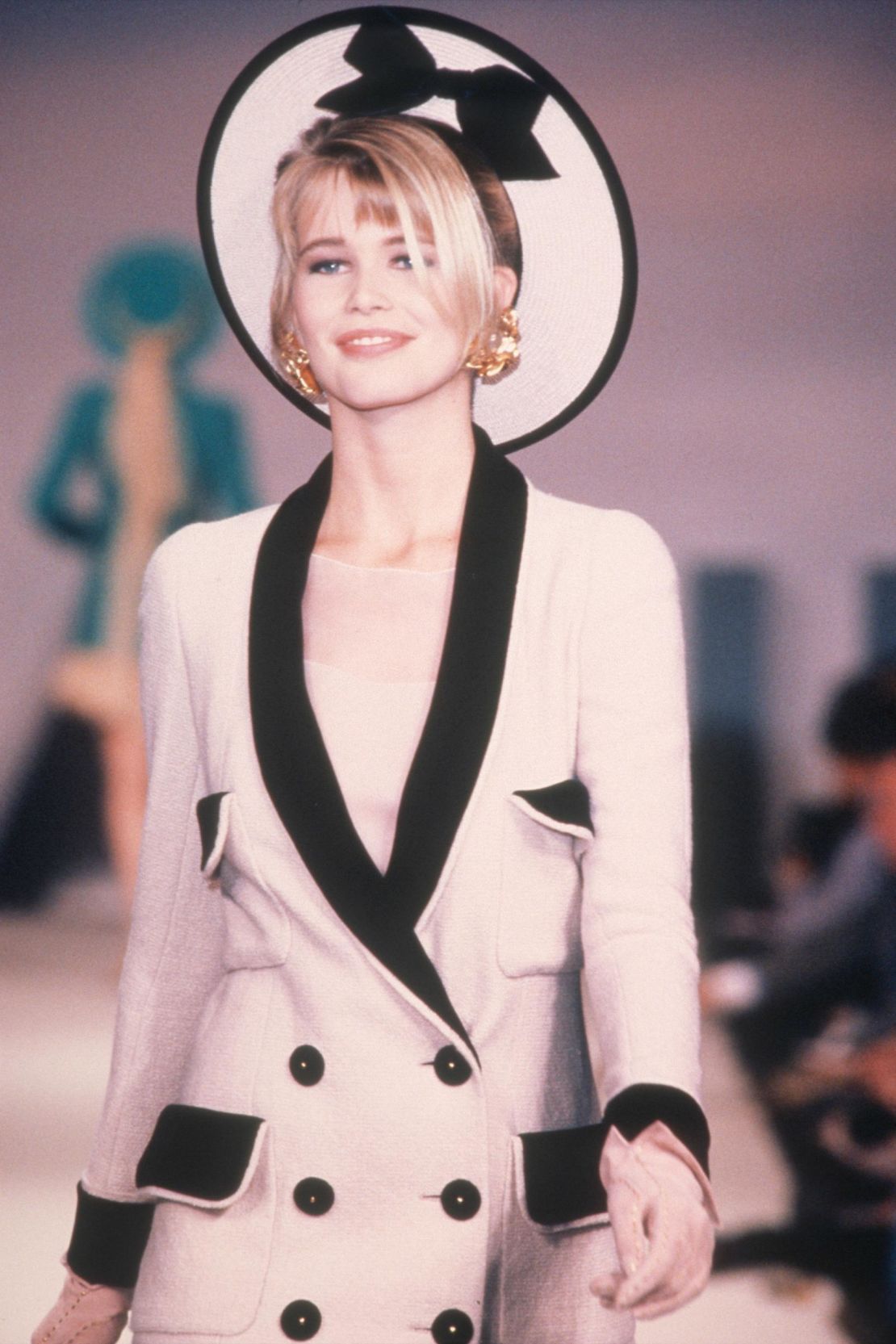
Fashion designers are more than just artistic visionaries; they are strategists and cultural commentators who shape how we dress and express ourselves. Their work requires a blend of creativity, technical skill, and market acumen. By navigating trends and materials, from the drawing board to the runway, they make fashion not only functional but a form of personal and social storytelling. This dynamic impact reflects the ever-evolving tapestry of human expression, where each stitch and pattern contributes to a larger narrative.