Understanding Individual Social Responsibility
The idea of personal social duty (ISR) goes beyond the usual emphasis on corporate social responsibility (CSR), encouraging people to recognize their part in forming a lasting and fair community. While CSR concentrates on businesses, ISR advocates for personal responsibility in one’s choices and actions, highlighting the possible influence of individual efforts on the welfare of society.
The Core Principles of Individual Social Responsibility
Accountability on an individual level to society involves the idea that everyone should play a positive role in the collective wellbeing. This obligation can be met through different activities such as community service, making moral purchasing choices, and environmental stewardship. The essential principles include being aware, involved, and behaving ethically, with each person recognizing their influence on social, economic, and environmental issues and taking proactive measures to address them properly.
For example, people can exhibit ISR by opting to back neighborhood businesses, thus bolstering the local economy. Moreover, integrating sustainable actions into everyday routines, like minimizing waste and saving energy, reflects a dedication to ecological responsibility.
Examples and Case Studies of Embracing Individual Social Responsibility
A practical example of ISR is observed in the actions of responsible shoppers who give importance to buying fair-trade items. Selecting products crafted under just labor practices allows buyers to directly support the betterment of workers’ lives in developing nations. This effort not only improves their living standards but also enables communities to grow in a sustainable way.
Another case that highlights ISR is the increasing trend of individuals dedicating their time to volunteerism. According to a report by the Bureau of Labor Statistics, approximately 25% of Americans engaged in volunteer activities in recent years, contributing to sectors such as education, healthcare, and environmental conservation. These voluntary efforts significantly impact the quality of services provided and lead to societal advancement.
Furthermore, the increase in responsible investing highlights how people leverage their economic resources to advance social progress. By placing capital in firms that meet high standards for environmental, social, and governance (ESG) factors, investors can back enterprises that resonate with their ethical values and possibly achieve financial gains. This mindful strategy for investing signifies a personal dedication to encouraging corporate responsibility and improved societal conditions.
The Significance of Education in Fostering Individual Social Responsibility
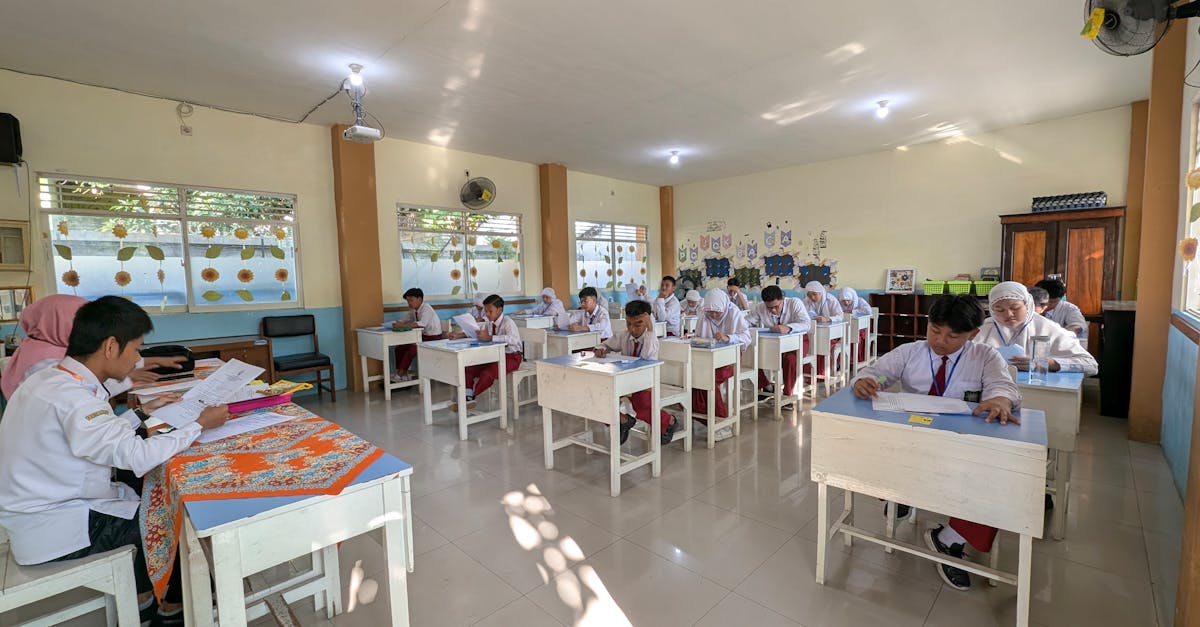
Education plays a crucial role in embedding the values of ISR into societal norms. Educational institutions at different levels are steadily integrating ethical and social responsibility components into their curricula, encouraging young people to develop an awareness of their obligations to their communities and the world. Subjects that focus on critical thinking, empathy, and civic engagement prepare individuals to become proactive participants in addressing societal challenges.
For example, programs focused on community service within universities give students the opportunity to engage with their neighborhoods, providing hands-on experience in solving genuine problems. These initiatives not only enhance students’ academic knowledge but also cultivate a sense of empathy and responsibility, equipping them to make ethically based choices.
Challenges and Opportunities in Practicing Individual Social Responsibility
Despite its importance, practicing ISR faces challenges such as a lack of awareness, limited resources, and sometimes cultural barriers. Overcoming these obstacles requires a multifaceted approach that includes education, community support, and accessible resources to foster participation in responsible activities.
Opportunities to boost corporate social responsibility are present in the transition to digital technology, allowing individuals to collaborate and address societal challenges more efficiently. Platforms such as social media have developed into a powerful means to raise awareness and foster engagement on various subjects, ranging from environmental matters to human rights worries.
A Reflective Synthesis on Individual Social Responsibility
Embracing individual social responsibility offers a multitude of benefits, from personal growth to societal enhancement. It challenges each person to consider the broader impact of their decisions, creating a ripple effect of positive change across communities. By embedding the principles of ISR into daily life, individuals not only contribute to building a more just and sustainable world but also pave the way for future generations to inherit a healthier planet and a more equitable society. Engaging in ISR is not a one-time act but a lifelong commitment to being a conscientious and proactive member of society.