The journey towards achieving sustainable weight loss has often been clouded by a multitude of diets, trends, and contradictory guidance. Nevertheless, one of the most straightforward and successful methods does not emerge from intricate meal plans or strict routines, but rather from getting back to the fundamentals of nutrition: selecting foods that are minimally processed. This method focuses on natural, whole ingredients that preserve their original nutritional content, providing the body with the energy and balance required without the surplus calories, additives, and hidden sugars commonly present in highly processed options.
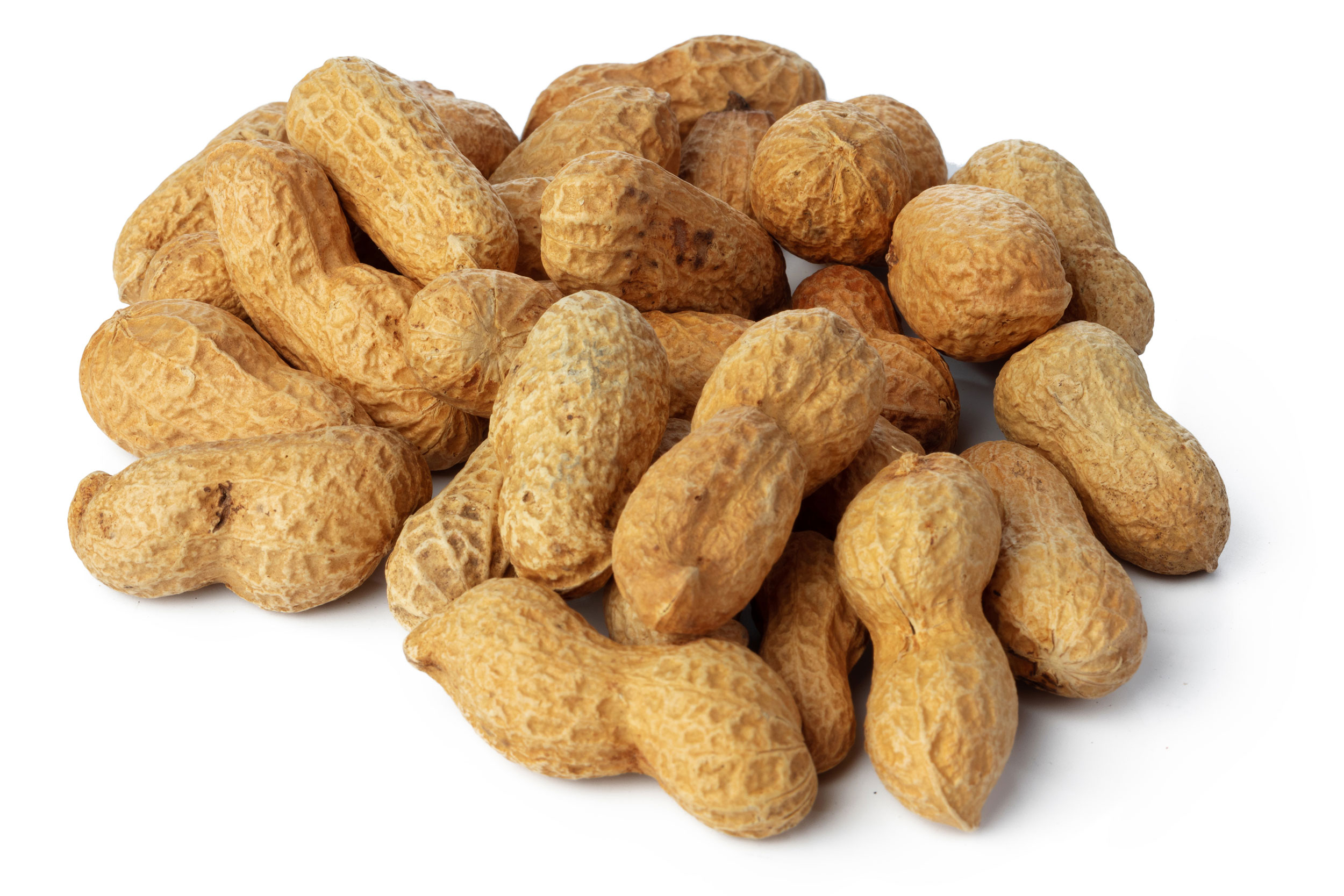
Minimally processed foods refer to those that are kept in a state closely resembling their original form. Examples include fresh fruits, vegetables, whole grains, lean proteins, nuts, and legumes. In contrast to processed options, these foods do not contain an abundance of preservatives, taste enhancers, or refined ingredients that often lead to overeating and interfere with natural hunger cues. Including more of these whole food choices in everyday meals can lead to benefits not just in managing weight, but also in boosting overall health, energy, and long-term wellness.
One of the key advantages of eating minimally processed foods lies in satiety. Whole foods are generally rich in fiber, water, and nutrients that help the body feel full for longer periods of time. For example, a bowl of oatmeal topped with fresh berries and nuts is far more filling and nutritious than a sugary breakfast cereal, even if both claim to have similar calorie counts. This difference in nutrient density allows individuals to reduce overall calorie intake naturally, without the constant struggle of feeling deprived or hungry.
Another factor that supports weight loss is the reduced presence of added sugars and refined oils. Highly processed foods often rely on these ingredients to enhance taste and shelf life, but they can lead to spikes in blood sugar, increased fat storage, and cravings that make it difficult to maintain a healthy eating pattern. On the other hand, meals built around fresh produce, lean meats, fish, whole grains, and plant-based proteins help regulate metabolism, support stable energy, and reduce the urge for unnecessary snacking.
The ease of managing portions is another advantage of consuming whole foods that are minimally processed. Since these foods are rich in nutrients instead of being high in calories, they enable filling meals without the need for large servings. A dish consisting of grilled salmon, quinoa, and vegetables offers a balanced intake of vital proteins, beneficial fats, and complex carbohydrates, in contrast to a fast-food meal that provides too many calories with minimal nutritional value. Gradually, changing eating patterns in this way can lead to a steady reduction in calorie intake, which is key for losing weight, without the unpleasantness or limitations typically linked to rigid dieting plans.
Adopting a minimally processed eating pattern also nurtures a healthier relationship with food. Instead of focusing solely on what must be eliminated, it encourages adding more wholesome options to the plate. This positive shift makes the lifestyle easier to maintain, as it is less about deprivation and more about embracing flavors, textures, and natural variety. Freshly prepared meals, vibrant salads, and nourishing soups can become enjoyable staples rather than obligations, helping people sustain progress over the long term.
Weight loss is not the only benefit. Studies consistently link diets rich in minimally processed foods with reduced risks of chronic conditions such as type 2 diabetes, cardiovascular disease, and certain cancers. By providing essential vitamins, minerals, antioxidants, and healthy fats, these foods not only support body composition but also strengthen the immune system and promote longevity. This makes the choice of whole, unrefined ingredients a powerful investment in overall health.
While the concept is straightforward, implementing it in daily life requires mindful decisions, especially in a world where convenient processed foods are abundant. Planning meals, preparing snacks ahead of time, and shopping with intention can make it easier to stay consistent. Choosing whole fruits over packaged sweets, roasted nuts over chips, or homemade dishes over fast-food options are small but impactful steps that accumulate into meaningful results.
The real secret to weight loss is not found in the latest diet trend or a miracle product. It is rooted in the consistent choice of nourishing the body with foods that nature provides in their most authentic form. By prioritizing minimally processed ingredients, individuals not only support their weight-loss goals but also cultivate a lifestyle that promotes vitality, balance, and long-term health.
This shift toward simplicity demonstrates that often, the best solutions can be found in the fundamentals: paying less attention to trendy diets and placing greater confidence in nutritious eating. Shedding pounds becomes less about pursuing quick fixes and more about establishing habits that endure. Opting for minimally processed foods not only serves as a strategy—it represents a sustainable lifestyle that harmonizes health, nutrition, and well-being into a single balanced journey.